The ocean arm of 100 Projects in 100 Countries
The 7 Seas Initiative
Seven basins. One ocean. A standing commitment to seed and support restoration work in every sea on Earth.
The seven seas were never seven separate things. Water moves between them, and so do plastic, heat, larvae and consequence. The 7 Seas Initiative treats them as one system with seven front doors — and commits the program to active, funded-by-partnership restoration work behind every one of them.
Any ocean, coastal or freshwater-to-ocean project entering 100 Projects in 100 Countries is automatically considered for the initiative. Selected projects are connected to Rotary Action Groups working in water and environment, to the 7 Seas Foundation, and to the marine science and funding networks that gather at The Environmental Xperience.
Top 10 honoree Honored project 7 Seas Initiative basin 10 projects on the map
-
1
Arctic Ocean
Ice-edge monitoring, Indigenous-led stewardship, and the cold-water science that anchors every climate model on Earth.
-
2
North Atlantic
Cold-water coral and kelp restoration, fishery recovery, and plastic interception from Europe to the eastern seaboard.
-
3
South Atlantic
Mangrove replanting, sea-turtle nesting protection, and coastal livelihoods from Brazil to West Africa.
-
4
North Pacific
Gyre plastic recovery, seagrass carbon sinks, and island-nation resilience across the world's largest basin.
-
5
South Pacific
Reef nurseries, community-managed marine areas, and youth marine-science education across Oceania.
-
6
Indian Ocean
Coral heat-resilience trials, artisanal fishery reform, and river-mouth plastic capture from Africa to Indonesia.
-
7
Southern Ocean
Krill-fishery science, marine protected area advocacy, and the polar research that protects the whole system.
Flagship project
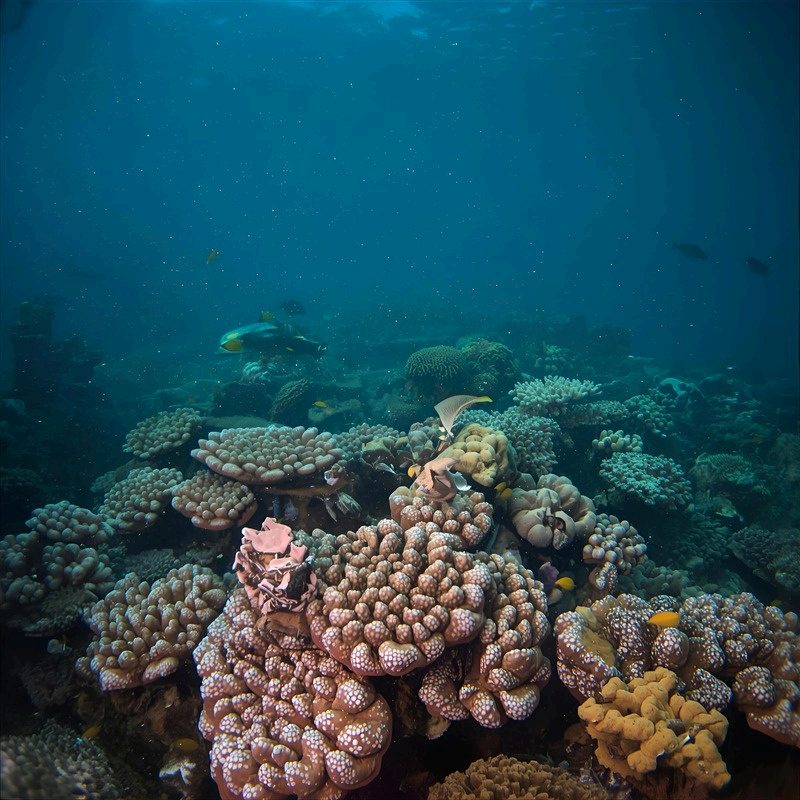
The Panama Project
In Bocas del Toro, coral restoration, youth marine education and community stewardship run as one program rather than three. It is the model the 7 Seas Initiative is built to replicate: reef work that trains the people who live beside the reef, and pays for itself in local capability.
Visit thepanamaproject.org